
How to Help a Child Who Hates Maths
“I suck at maths.”
“I just can’t do it.”
“I hate maths so much!”
Some kids love maths, but for many kids, maths is a chore they have to struggle through. And for some kids maths is the cause of worry that keeps them up at night.
Maths anxiety is a real thing, and it can turn maths from an essential life skill we all need to learn, into a nightmare for both kids and parents.
I lived that nightmare as a child, and I’m afraid I may have passed it on to one of my kids. She hates maths. Maths makes her grumpy, and stressed out. She is convinced she can’t do maths, and she is sure she will fail every test.
I don’t want her to be stressed, I don’t want her to give up on maths, and I don’t want her to give up on herself. But how do I help a kid who hates maths? Especially when I am not a maths whiz myself?

How to Help a Child Who Hates Maths.
We don’t all have to be maths geniuses, but we can all be confident with a range of maths skills. There are lots of things you can do to help your child get over maths anxiety and feel more confident with maths.
Make Maths Useful.
One of the biggest complaints my child has about maths is that it’s ‘useless’. That’s not actually true, but sometimes she needs a little help to see how maths relates to her life. If you can relate the maths your child is learning to real life, everyday situations, it may help them understand the concepts and be motivated to learn them.
How can the maths your child is learning be used both now and in the future? Talk about balancing a budget, working out how much something costs when it is 30% off, using fractions in cooking, and what maths might be needed for future careers they are interested in.
Make Maths Fun
Maths doesn’t have to be all textbooks, find some fun ways to practice maths skills.
Try some maths games – here’s some for younger kids, and some for older kids. There are lots of ways to make maths hands on, real, and fun.
Make Maths hands on.
There is nothing ‘babyish’ about using counters or even your fingers. Even older kids benefit from being able to see and manipulate objects to make maths skills more hands on.
Grab some counters, an abacus, or even some chocolates. You can even use Legos, or try out a number line.
Try Different Learning Options.
If worksheets or textbooks are getting boring, or just making things more confusing for your child, try some different ways to do maths. Maybe taking it digital will entice a reluctant learner.
Mathspace has a free, online option, that works on all devices, has nifty handwriting recognition on touch screens, and video explanations that are just like having a real teacher explain things to you. It’s a great way to change up your maths learning.

Practice Makes Perfect
People are not either good at maths, or bad at maths, that’s not how it works. Sure, some people have a special talent for maths, but most of us need to practice to be good at maths, just like we need to practice to be good at anything else we are learning.
Don’t let your child give up after the first try, explain that the more you do something, the better you get, and the more they practice maths the better they will get at it.
Set Goals and Rewards.
Often when kids are worried about maths they feel like they will never get better at it. Setting up small goals and fun rewards helps them see that they are achieving something.
Try simple things like ‘do ten maths problems and then listen to your favourite song’ or ‘work on maths for 15 minutes then go outside and play basketball’.
Don’t let homework get overwhelming
Set up a routine and teach your kids how to organise their time and prioritise tasks. Help kids allocate time in their homework schedule to practice maths, even if they don’t have specific maths homework. You can find more information for how to help kids manage homework without hassles and a free printable homework planner here.
Know How to Get Help
Don’t wait till maths becomes a huge thing hanging over your child’s head. Know how to get help, and ask for it sooner rather than later!
Can you email their teacher for some advice? Can they attend a homework club? Do you have a family member who can help explain things? Can they run through that section again in Mathspace?
Asking for help can be difficult for kids who are struggling so step in and offer options and help them follow through.
Change your thinking.
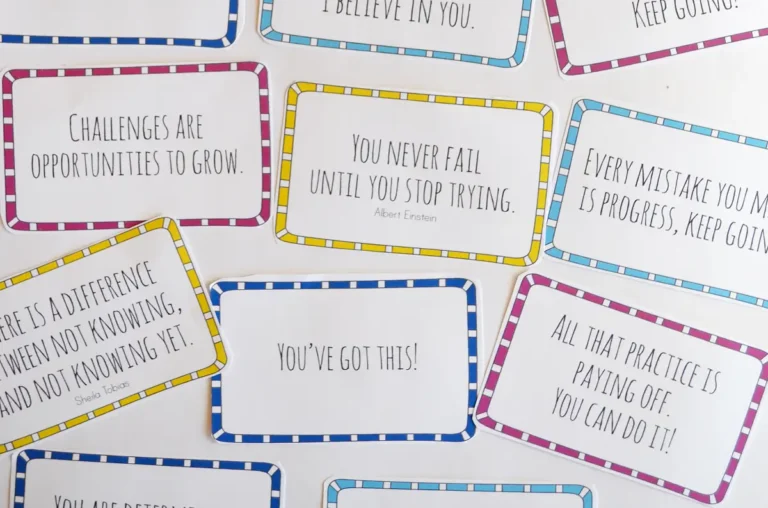
“I’m just not good at maths” “I’ll never get this right” Doom and gloom negative thinking is a trap that lots of kids fall into and it’s so unhelpful. Helping your kids change the way they think and working on practicing a more positive, growth mindset can make maths a lot more bearable and help them see the truth – that mistakes are part of learning, and that everyone can do maths.
Make sure you keep your own negative feelings about maths in check too. Our kids learn from us, so be a good role model!
I’ve created some free printable growth mindset note cards. Slip one in your child’s lunch box, or between the pages of their maths book, to remind them that their efforts are appreciated, that persistence and practice pays off and that they can do it!
Do you have a child who ‘hates’ maths?
How do you deal with maths struggles and anxiety?
Do you feel like it is a battle you can win?
